Money Required to Feed Poor Globally
2022: a year of unprecedented hunger
2022: a year of unprecedented hunger
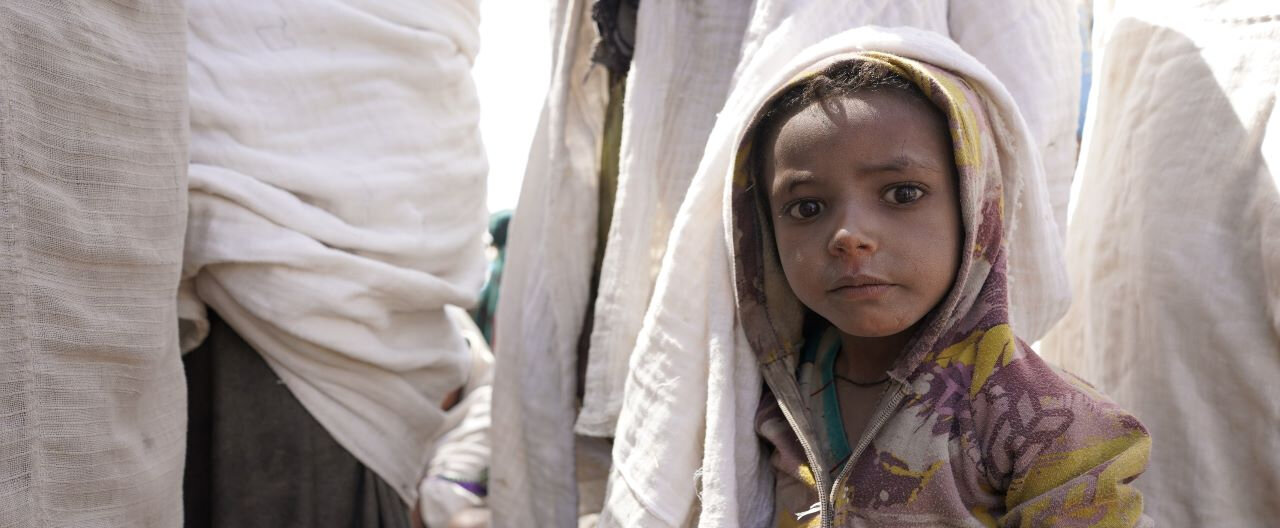
As many as828 million people go to bed hungry every night, the number of those facing acute food insecurity has soared - from 135 million to 345 million - since 2019. A total of 50 million people in 45 countries are teetering on the edge of famine.
While needs are sky-high, resources have hit rock bottom. The World Food Programme (WFP) requires US$24 billion to reach 153 million people in 2022. However, with the global economy reeling from the COVID-19 pandemic, the gap between needs and funding is bigger than ever before.
We are at a critical crossroads. To avert the hunger catastrophe the world is facing, everyone must step up alongside government donors, whose generous donations constitute the bulk of WFP's funding. Private sector companies can support our work through technical assistance and knowledge transfers, as well as financial contributions. High net-worth individuals and ordinary citizens alike can all play a part, and youth, influencers and celebrities can raise their voices against the injustice of global hunger.
Unless the necessary resources are made available, lost lives and the reversal of hard-earned development gains will be the price to pay.
the four causes of hunger and famine
the four causes of hunger and famine
But why is the worldhungrier than ever?
Thisseismic hunger crisishas been caused by a deadly combination of four factors:
- Conflictis still the biggest driver of hunger, with 60 percent of the world's hungry living in areas afflicted by war and violence. Events unfolding inUkraine are further proof of how conflict feeds hunger, forcing people out of their homes and wiping out their sources of income.
- Climate shocks destroy lives, crops and livelihoods, and undermine people's ability to feed themselves.
- The economicconsequences of the COVID-19 pandemic are driving hunger to unprecedented levels.
- Costs are also at an all-time high: WFP's monthly operating costs are US$73.6 million above their 2019 average – a staggering 44 percent rise. The extra now spent on operating costs would have previously fed 4 million people for one month.
Hunger hotspots: a ring of fire
Hunger hotspots: a ring of fire
From the Central American Dry Corridor and Haiti, through the Sahel, Central African Republic, South Sudan and then eastwards to the Horn of Africa, Syria, Yemen and all the way to Afghanistan, there is aring of firestretching around the world whereconflict and climate shocks are driving millions of people to the brink of starvation.
In countries likeNigeria, South Sudan andYemen, WFP is already faced with hard decisions, including cutting rations to be able to reach more people. This is tantamount totaking from the hungry to feed the starving.
The consequences of not investing in resilience activities will reverberate across borders. If communities are not empowered to withstand the shocks and stresses they are exposed to, this could result in increasedmigration and possibledestabilization and conflict. Recent history has shown us this: when WFP ran out of funds to feed Syrian refugees in 2015, they had no choice but to leave the camps and seek help elsewhere, causing one of the greatestrefugee crises in recent European history.
Levels of humanitarian and development assistance must be stepped up to allow WFP to continue its life-saving work in emergencies but also to build the ability of families and communities to feed themselves andbreak their dependence on humanitarian support.
Evidence shows this approach pays dividends. In just three years to 2021, WFP and local communities turned 272,000 acres of barren fields in theSahelregion of five African countries into productive farmland,changing the lives of over 2.5 million people and contributing to peace and stability. InBangladesh in 2020, WFP supported 145,000 people with cash assistance ahead of severe forecast flooding. This empowered them to buy food and medicine, protect critical assets and transport livestock and families to safe places, preventing losses and damages. Thiscut the emergency response cost by over half.
However, to achieve Zero Hunger, money is not enough. Onlypolitical will can end conflict in places likeYemen, Ethiopiaand South Sudan, and without a firm politicalcommitment to contain global warming as stipulated in the Paris Agreement, the main drivers of hunger will continue unabated.
In 2022, hunger levels are higher than ever before
Learn how WFP's response is making a difference in the lives of millions of people worldwide
Read more
Source: https://www.wfp.org/global-hunger-crisis
0 Response to "Money Required to Feed Poor Globally"
Post a Comment